
New AAA research examines the effectiveness of smartphone-blocking technology to curb driver distraction
OKLAHOMA CITY – Apr. 29, 2025 – According to the National Highway Traffic Safety Administration (NHTSA), distracted driving contributes to approximately 9% of fatal crashes, although researchers believe that number is higher. Despite 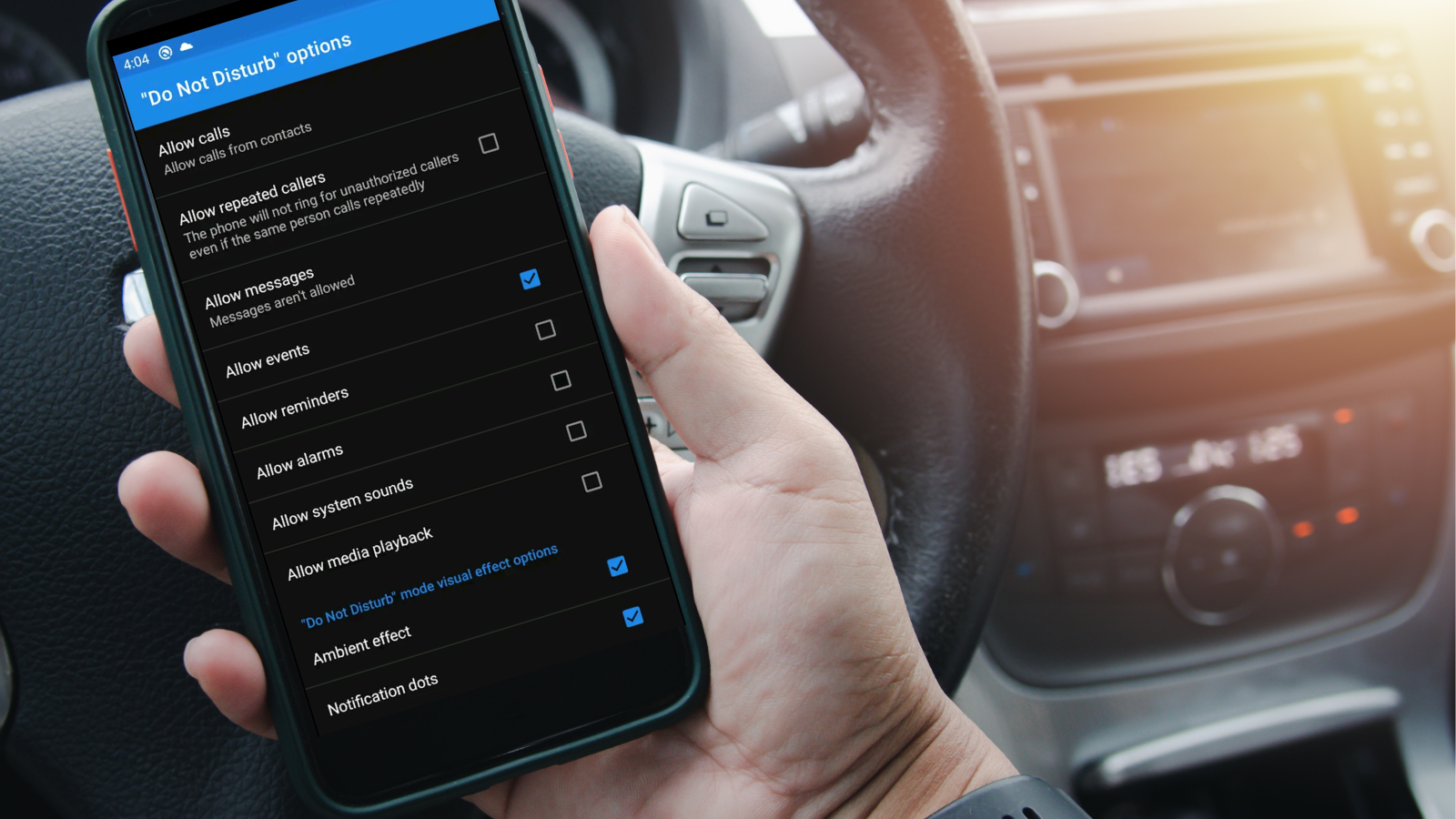 texting bans in almost all 50 states, distraction remains a prevalent problem among drivers, especially younger generations. Smartphones – a common form of distraction – may help curb this risky behavior. Today, most devices have a “do not disturb” feature that can block or limit distraction. New research from the AAA Foundation for Traffic Safety found that when activated, this feature can be effective in reducing smartphone interactions when driving.
texting bans in almost all 50 states, distraction remains a prevalent problem among drivers, especially younger generations. Smartphones – a common form of distraction – may help curb this risky behavior. Today, most devices have a “do not disturb” feature that can block or limit distraction. New research from the AAA Foundation for Traffic Safety found that when activated, this feature can be effective in reducing smartphone interactions when driving.“Distracted driving continues to be a major traffic safety concern,” said Dr. David Yang, president and executive director of the AAA Foundation for Traffic Safety. “Despite their potential to reduce distraction, smartphone technology-based countermeasures are not widely used by drivers. This study aimed to uncover how to encourage more people to use such features to stay focused on the driving task and improve safety.”
To better understand this issue, researchers examined why drivers avoid using “do not disturb” features and how to overcome their objections. Drivers cited limited access to music and navigation as reasons not to activate “do not disturb” features. This commonly held misconception underscores a lack of understanding of how this technology works. Current smartphone-blocking features allow music and navigation to be used when activated. Other barriers mentioned by drivers included not realizing these features were available or forgetting to turn them on.
Another overarching theme regarding why drivers shy away from turning on these features is something most people can relate to – FOMO, or the fear of missing out. People worry that if “do not disturb” features are activated, they may miss an important call or text while driving.
Despite this resistance, many drivers favor “do not disturb” features that automatically turn on during stressful situations like heavy rain, snow, or traffic. This preference suggests that drivers are more inclined to use this feature to reduce distraction when there are greater demands on their attention.
Other factors that would influence the use of “do not disturb” features include:
-
Improved accuracy in recognizing when a user is not a driver
-
Control over what apps are restricted
-
Insurance discounts
Additionally, the study revealed that younger drivers (age 18 – 24) — a group more likely to use their phones when behind the wheel – are also more knowledgeable about “do not disturb” features than older generations. However, they also tend to believe they can use their phone safely while driving, suggesting this group may not feel these features are necessary.
Since this group is more prone to driving distracted, researchers were curious whether training and education could improve awareness and understanding of “do not disturb” features, leading to increased usage. In an on-road study, participants, ages 18 – 24, were monitored for 10 weeks – 5 weeks with no intervention and 5 weeks using a “do not disturb” feature. Between the two periods, a survey was given to assess current knowledge of the technology, followed by training on how to use it. It is important to note that the “do not disturb” feature was set to turn on automatically when driving was detected, and participants were told to keep this setting on for the remainder of the study.
The Results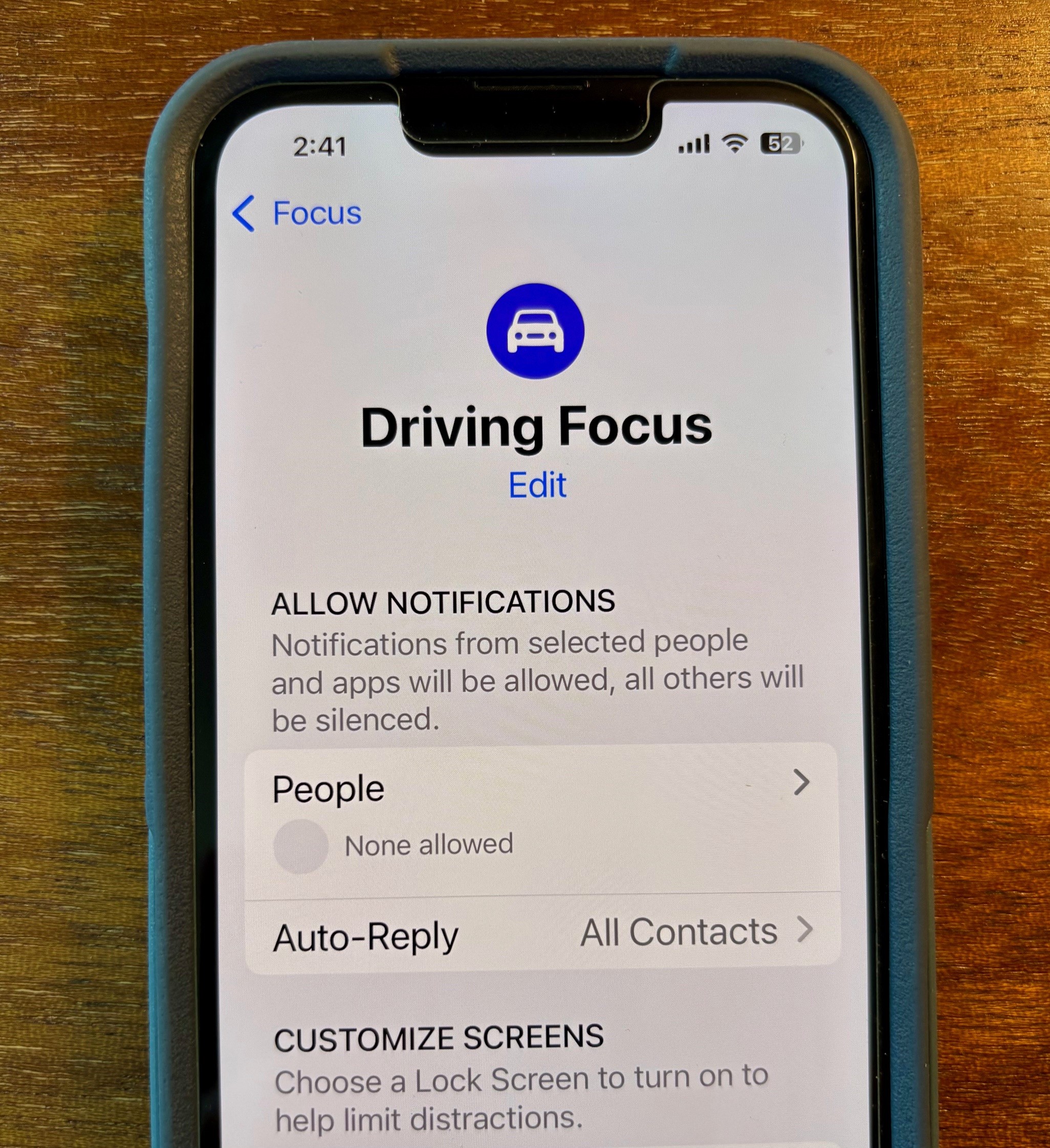
Before training –
-
50% of participants did not know their phone had a “do not disturb” feature
-
85% reported not knowing how to use it
-
65% did not know it could be set to turn on automatically when driving was detected
After training –
-
100% of participants knew their phone had a “do not disturb” feature, knew how to use it, and that it could be set to turn on automatically
-
41% decrease in smartphone interactions
-
6% less likely to pick up their phone
-
Opinions of “do not disturb” features remained unchanged
“We’ve all witnessed how smartphones can lead to distraction and risky driving, but it’s possible these devices could help us to prevent it,” said Jake Nelson, Director of Traffic Safety Advocacy & Research for AAA. “Increasing the use of Do Not Disturb technology requires more than building awareness. It requires behavior-focused strategies, smarter automation, consistent reinforcement through social norms, and possibly small incentives.”
AAA recommends the following to encourage the use of “do not disturb” features while driving:
-
Increase awareness through targeted public education campaigns
-
Integrate education of “do not disturb” features into driver training and licensing programs
-
Improve automatic activation and situational awareness features (i.e., recognizing when the user is a passenger versus a driver)
-
Use reminders and incentives to encourage drivers to use “do not disturb” features
-
Address misconceptions through in-app messaging
-
Leverage influencers to promote the use of this technology, especially to younger audiences
About The AAA Foundation for Traffic Safety
Established in 1947 by AAA, the Foundation for Traffic Safety is a nonprofit, publicly funded 501(c)(3) charitable research and educational organization. The AAA Foundation’s mission is to prevent traffic deaths and injuries by researching their causes and by educating the public about strategies to prevent crashes and reduce injuries when they do occur. This research informs the development of educational materials for drivers, pedestrians, bicyclists, and other road users.
About AAA:
AAA provides automotive, travel, and insurance services to more than 65.2 million members nationwide and more than 450,000 members in Oklahoma. AAA advocates for the safety and mobility of its members and has been committed to outstanding road service for more than 100 years. AAA is a non-stock, membership corporation working on behalf of motorists, who can map a route, find local gas prices and electric vehicle charging stations, discover discounts, book a hotel, and track their roadside assistance service with the AAA Mobile app (AAA.com/mobile) for iPhone, iPad and Android. For more information on joining or renewing a Membership, visit www.AAA.com.


Get Local News!
